Finding a reliable bearing supplier is one of the most critical decisions an industrial buyer can make. The right partner delivers consistent quality, competitive pricing, dependable lead times, and proper packaging that protects precision components during international transport. The wrong choice leads to production delays, premature bearing failures, and costly supply chain disruptions. With thousands of bearing manufacturers and distributors competing globally — from established European brands to emerging Chinese suppliers — the selection process can feel overwhelming. This guide walks through the key criteria every procurement professional should evaluate when choosing a bearing supplier, from quality certifications and manufacturing capability to logistics support and after-sales service.
Key Selection Criteria for a Bearing Supplier
Before evaluating individual suppliers, establish a clear framework of what matters for your specific application. The following criteria form the foundation of any thorough bearing supplier assessment. Industry bodies like the SKF bearing selection principles and ISO standards provide useful reference frameworks for understanding quality benchmarks.
Quality Certifications and Standards Compliance
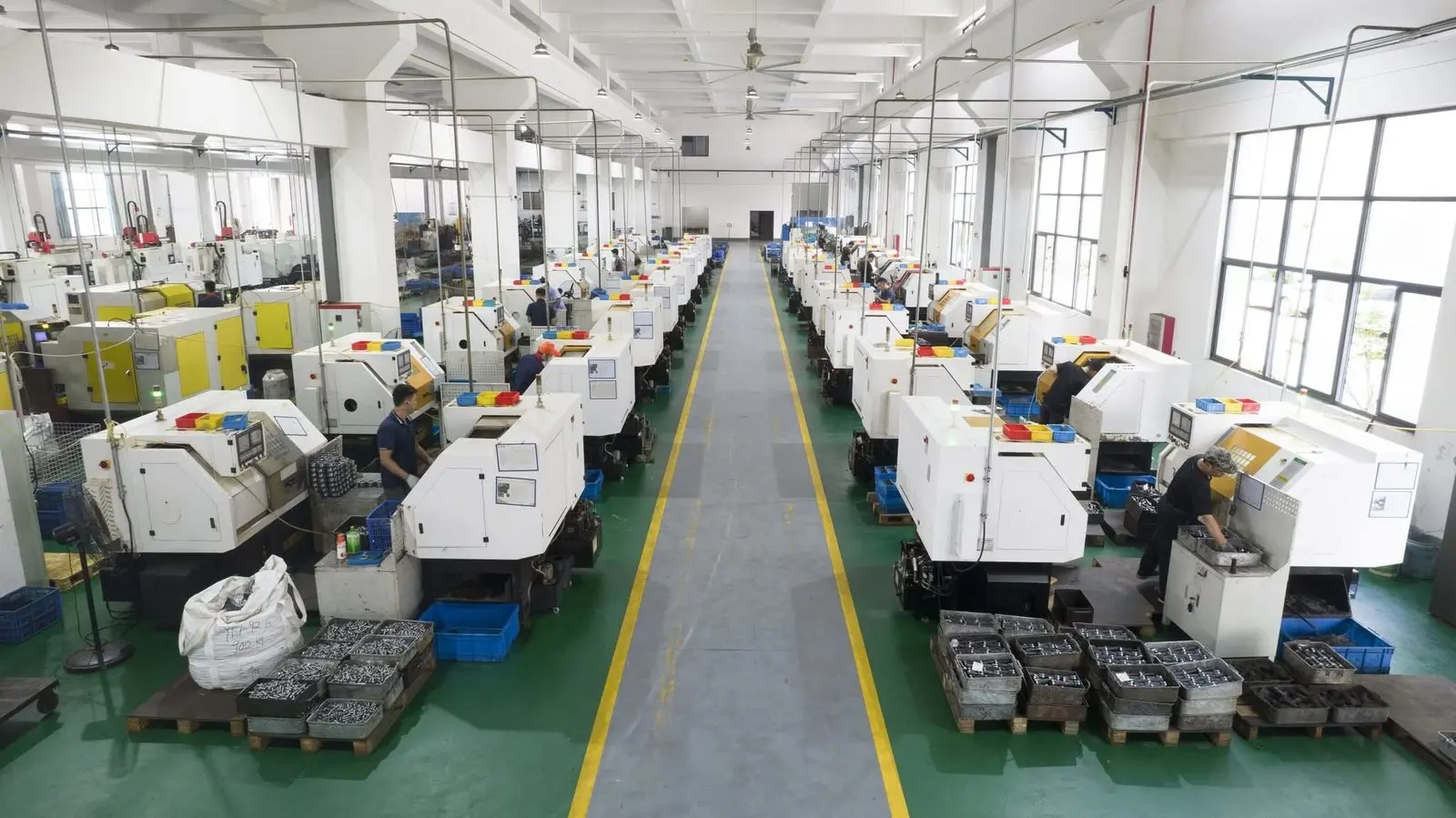
ISO 9001 certification is the baseline for any credible bearing manufacturer. For precision applications, look for IATF 16949 (automotive), AS9100 (aerospace), or specific industry approvals. A reputable bearing supplier should readily share their certification documents and explain their quality management system. Beyond certifications, ask about their inspection equipment — do they use CMM (coordinate measuring machines), roundness testers, and surface roughness analyzers? These directly correlate with dimensional consistency and bearing performance.
Product Range and Manufacturing Capability
Does the supplier manufacture the specific bearing types you need — deep groove ball bearings, cylindrical roller bearings, spherical roller bearings, tapered roller bearings, or mounted units? A supplier with broader manufacturing capability offers advantages: fewer split shipments, consistent quality across product families, and simplified supplier management. Companies like Talos Bearing, for example, produce a comprehensive range of industrial bearings including deep groove ball bearings, roller bearings, and bearing units, enabling buyers to consolidate their sourcing.
Lead Times and Inventory Management
Production lead time varies dramatically between suppliers. Stocking distributors may ship standard sizes within 24-48 hours, while factory-direct manufacturers typically need 15-30 days for production runs. The best bearing supplier offers a balanced approach — maintaining inventory on high-demand SKUs while providing efficient production scheduling for less common sizes. Ask about their inventory turnover rate and whether they offer VMI (Vendor Managed Inventory) programs for regular buyers.
Packaging and Logistics Support
Bearing logistics is a frequently overlooked but critical differentiator. Precision bearings require specialized packaging to prevent corrosion and transport damage. A professional bearing supplier uses VCI (Vapor Corrosion Inhibitor) packaging, desiccant packets, and humidity indicator cards for ocean freight shipments. They should also understand the specific challenge of false brinelling — micro-vibration damage during transport — and employ shaft-tube immobilization techniques to prevent it. Ask prospective suppliers about their packaging standards for different shipping modes (sea freight, air freight, express courier) and whether they offer custom branding or retail-ready packaging.
Pricing Structure and Terms
Price transparency is a hallmark of a trustworthy bearing manufacturer. Request tiered pricing based on order volumes and understand exactly what’s included — are packing costs, documentation fees, and insurance built into the quoted price, or itemized separately? Compare FOB (Free On Board) vs. CIF (Cost, Insurance, Freight) terms to understand your total landed cost. While Chinese bearing manufacturers like Talos Bearing typically offer significant cost advantages over European and Japanese brands, the lowest price isn’t always the best value — factor in quality consistency, delivery reliability, and after-sales support.
Benefits of Partnering with the Right Bearing Supplier
Choosing the correct bearing supplier delivers measurable operational and financial benefits that extend far beyond unit price.
Reduced Downtime and Maintenance Costs
Bearings from a reliable manufacturer meet their published specifications consistently. This means predictable service life, fewer unplanned replacements, and lower overall maintenance expenditure. According to industry studies, bearing-related failures account for approximately 14% of all rotating equipment downtime — a figure that drops significantly when components come from a certified, quality-focused supplier.
Simplified Supply Chain Management
Working with one or two qualified bearing suppliers instead of a fragmented vendor list reduces administrative overhead, simplifies quality auditing, and allows for volume-based pricing. A full-range supplier who can provide both standard deep groove ball bearings and specialized cylindrical roller bearings eliminates the need to manage separate suppliers for each product category.
Technical Support and Application Engineering
The best bearing manufacturers don’t just sell components — they provide engineering support. Whether it’s help selecting the correct bearing for a new application, troubleshooting premature failures, or optimizing lubrication intervals, application engineering expertise adds genuine value. When evaluating a bearing supplier, assess their technical team’s responsiveness and whether they offer on-site support for complex installations.
Consistent Quality Across Batches
Batch-to-batch consistency is arguably more important than a single flawless shipment. A supplier with stable manufacturing processes and rigorous incoming/outgoing inspection delivers bearings that perform identically order after order. This consistency matters most for precision applications where bearing clearance, running accuracy, and vibration levels must stay within tight tolerances.
How to Choose a Bearing Supplier — Step by Step
Follow this structured evaluation process to identify the right bearing supplier for your business.
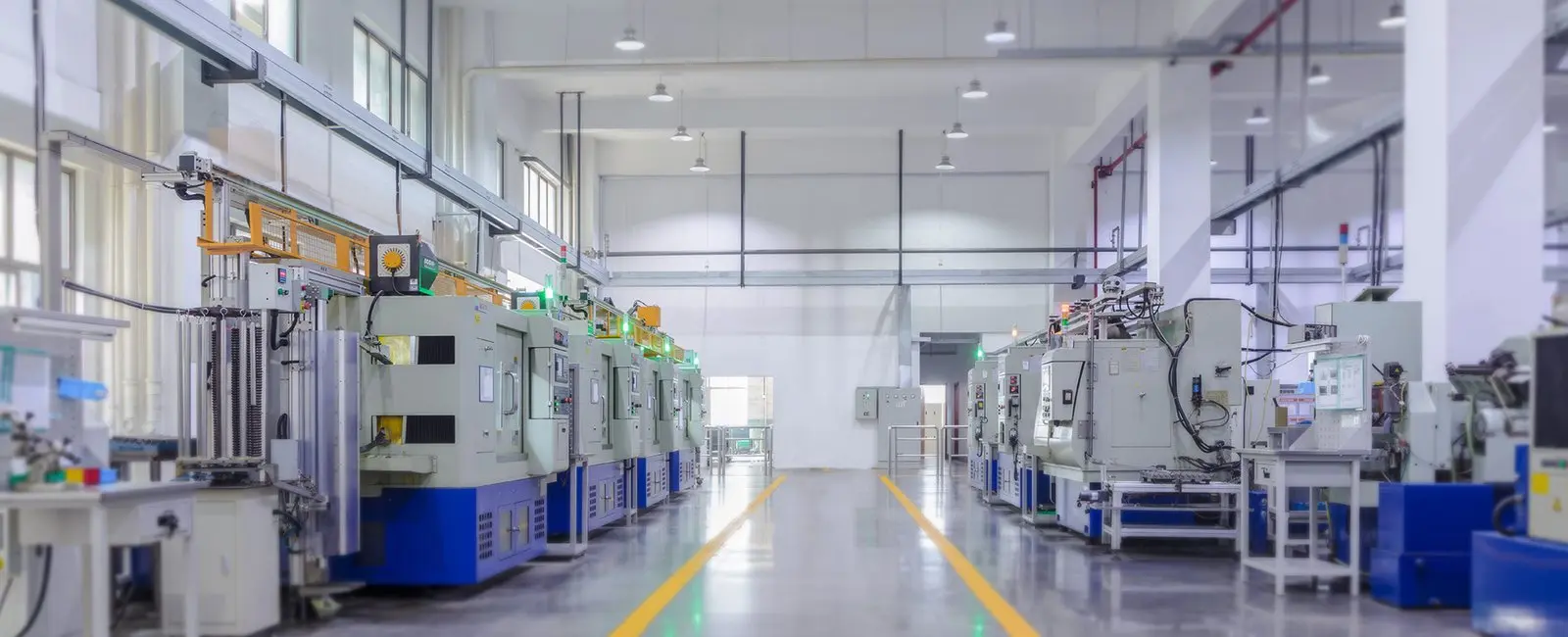
Step 1: Define Your Technical Requirements
Document every technical specification you need: bearing type, dimensions, precision class (ABEC/ISO tolerance grade), clearance class (C0, C2, C3, C4), cage material, sealing configuration, and lubrication specification. The more precisely you define requirements upfront, the easier it becomes to compare suppliers on an apples-to-apples basis.
Step 2: Shortlist Candidates Based on Product Fit
Screen the market for suppliers whose product catalogue matches your requirements. Major Chinese bearing manufacturers — including Talos Bearing — produce ISO-standard bearings that are dimensionally interchangeable with SKF, NSK, FAG, and NTN equivalents. Check whether the supplier manufactures the specific bearing series you need in-house or outsources production — in-house manufacturing generally indicates better quality control.
Step 3: Evaluate Quality Systems and Certifications
Request and verify ISO 9001 certificates. For specialized applications, ask about additional certifications. The ISO 9001:2015 quality management standard is the internationally recognized benchmark for manufacturing quality systems. Ask for inspection reports from recent production batches — these reveal actual quality levels rather than stated capabilities. If possible, request sample bearings for dimensional verification and noise/vibration testing before committing to a production order.
Step 4: Assess Logistics and Packaging Capability
Send potential suppliers your typical order profile — volume, destination ports, preferred shipping mode — and evaluate their response. A competent bearing supplier will ask questions about your requirements and propose a tailored logistics solution, not just quote a price. Key questions to ask: What packaging standards do you follow for ocean freight? How do you prevent corrosion during transit? Can you provide humidity monitoring in each package? What is your typical loading and shipping schedule?
Step 5: Request and Compare Commercial Proposals
Ask 3-5 shortlisted suppliers for formal quotations covering the same product mix and volumes. Compare not just unit prices but also: minimum order quantities (MOQ), payment terms (TT, LC, etc.), delivery lead times, warranty terms, and after-sales support policies. For instance, Talos Bearing offers flexible MOQ options for trial orders and competitive pricing for volume commitments, making them an attractive partner for both new buyers and established distributors.
Step 6: Conduct a Trial Order
Before committing to large volume purchases, place a trial order for a representative product range. Evaluate: dimensional accuracy upon arrival, packaging condition, documentation completeness (packing list, certificate of origin, inspection report), delivery time vs. promised lead time, and communication responsiveness throughout the process.
Step 7: Establish a Long-Term Partnership
Once a supplier proves reliable across trial orders, formalize the relationship with agreed KPIs, quality targets, and pricing tiers. The best bearing supplier relationships evolve into true partnerships — with joint inventory planning, regular quality reviews, and collaborative problem-solving that benefits both parties.
Common Mistakes to Avoid When Choosing a Bearing Supplier
Mistake 1: Focusing Only on Price
The cheapest quotation rarely represents the best total value. A bearing priced 20% below market average may use inferior steel (lower-grade GCr15/S bearing steel), substandard heat treatment, or relaxed inspection standards. The resulting shorter service life and higher failure rate easily offset any upfront savings. Look for a bearing supplier that competes on total value — competitive pricing backed by consistent quality and reliable delivery.
Mistake 2: Overlooking Logistics and Packaging Quality
Many buyers evaluate product quality but ignore how bearings reach their facility. A bearing that meets every specification at the factory can arrive rusted or damaged if packaging isn’t adequate for the shipping environment. This is particularly critical for sea freight, where containers experience extreme temperature swings and high humidity. Insist on understanding your supplier’s packaging standards before placing an order.
Mistake 3: Not Verifying Batch Consistency
A single good sample doesn’t guarantee consistent quality across production batches. Some suppliers maintain rigorous quality control that ensures every bearing meets the same standard — brands like Talos Bearing implement multi-stage inspection processes. Others may relax standards when under production pressure. Request batch inspection reports and consider third-party inspection for initial orders.
Mistake 4: Ignoring Communication and Responsiveness
The way a supplier handles pre-sale inquiries strongly predicts their post-sale support. A bearing supplier who responds slowly, gives vague answers, or avoids technical questions during the quotation phase will likely deliver the same experience when you need urgent support. Evaluate communication quality as seriously as product quality.
Mistake 5: Over-Specifying Beyond Actual Needs
Selecting unnecessarily high precision grades (e.g., ABEC 7 when ABEC 1 is adequate) or exotic materials drives up cost without real benefit. Reputable suppliers will advise when a specification exceeds what the application requires rather than simply charging more. Brands like Talos Bearing offer a compelling value proposition — identical ISO-standard dimensions, effectively equivalent load ratings to major European brands, and appropriate precision grades matched to the application, all at competitive pricing.
Frequently Asked Questions
What certifications should a reliable bearing supplier have?
At minimum, ISO 9001 quality management certification. For automotive applications, IATF 16949 is preferred; for aerospace, AS9100. Chinese bearing manufacturers exporting internationally should also be able to provide CE marking and RoHS compliance documentation. Always verify certification validity through the issuing body’s database.
How do I know if a Chinese bearing supplier is trustworthy?
Evaluate their manufacturing facility through video tours or in-person visits, request samples for independent testing, check their export history and client references, and verify their business license and export registration. Companies like Talos Bearing maintain transparent operations and are happy to share production documentation and quality records with prospective buyers.
What MOQ (minimum order quantity) should I expect from a bearing manufacturer?
Standard MOQs range from 100 to 1,000 pieces per size for established suppliers, though some Chinese manufacturers offer lower minimums for trial orders. Stocking distributors may have no MOQ at all for standard bearing sizes. The key is finding a bearing supplier whose MOQ structure aligns with your purchasing patterns.
How long does shipping take from a Chinese bearing supplier?
Sea freight from major Chinese ports (Shanghai, Ningbo, Shenzhen) to North America typically takes 20-30 days, to Europe 25-35 days, and to Southeast Asia 5-10 days. Air freight takes 5-10 days but costs significantly more. Lead time for production adds 15-30 days on top of shipping time. Many established suppliers maintain overseas warehouses to offer faster delivery.
What is VCI packaging and why does it matter for bearing shipping?
VCI (Vapor Corrosion Inhibitor) packaging releases corrosion-inhibiting molecules into a sealed environment, creating a protective layer on metal surfaces. This prevents rust during ocean freight where containers experience high humidity and temperature swings. A professional bearing supplier uses VCI packaging combined with desiccant packets and humidity indicator cards as standard practice for export shipments.
Can I get custom-branded packaging from my bearing supplier?
Many Chinese bearing manufacturers offer OEM/private label packaging services, including custom boxes, branded labels, and retail-ready packaging. This is common when importing for distributor networks or retail sales. Confirm MOQ requirements for custom packaging — they typically differ from standard packaging MOQs.
What is the difference between FOB and CIF when buying bearings from China?
FOB (Free On Board) means the supplier delivers goods to the departure port and you arrange shipping and insurance from there. CIF (Cost, Insurance, Freight) means the supplier covers shipping and insurance to your destination port. For first-time buyers working with a new bearing supplier, CIF can simplify logistics, while buyers with established freight arrangements often prefer FOB for cost control.
Conclusion
Selecting the right bearing supplier is a strategic decision that affects your production quality, operational reliability, and overall supply chain efficiency. By evaluating candidates across technical capability, quality systems, logistics support, and commercial terms — rather than focusing on price alone — you build a foundation for a successful long-term partnership. Chinese bearing manufacturers like Talos Bearing demonstrate that competitive pricing and professional quality are not mutually exclusive, especially when the supplier invests in proper manufacturing processes, quality control, and export-grade packaging.
Ready to evaluate a professional bearing supplier for your next order? Browse our deep groove ball bearings or contact our team for a tailored quotation and packaging specification sheet.